English
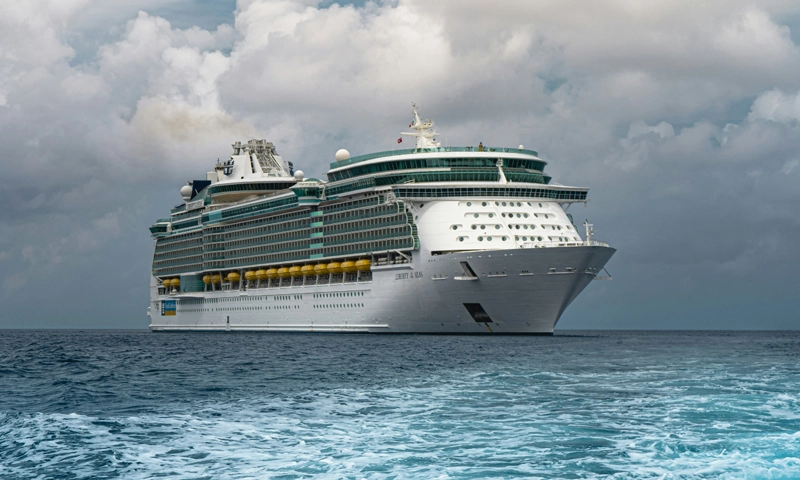
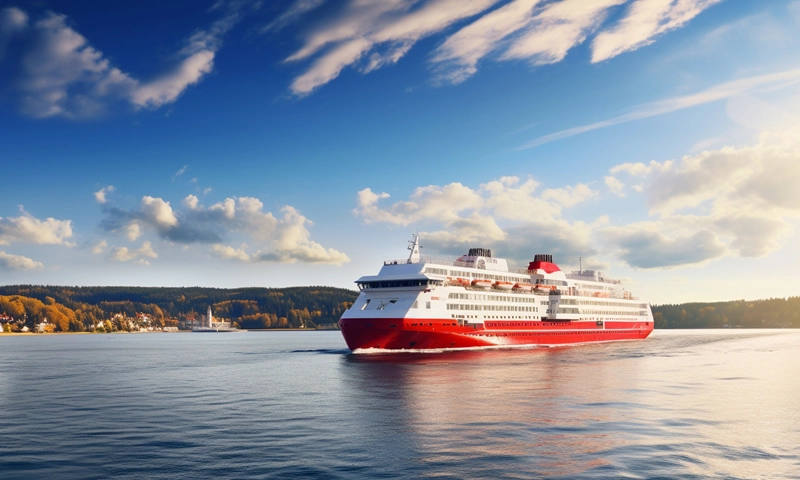
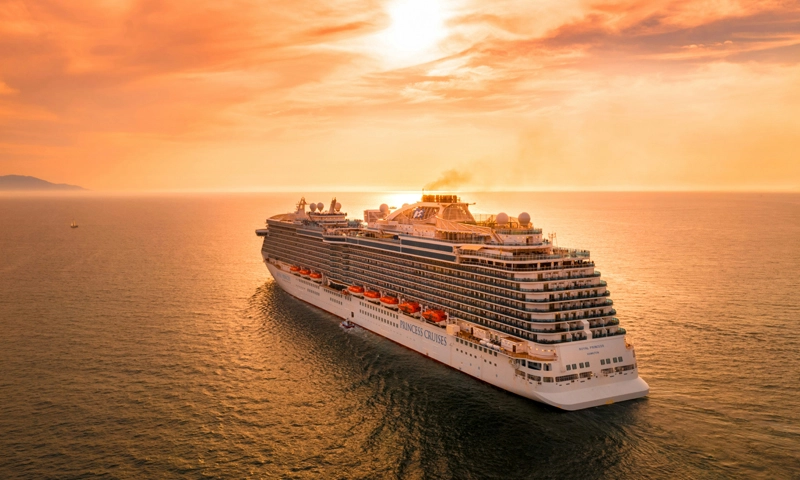
Tanker ships are the unsung heroes of global trade, hauling everything from crude oil to fine wine across the world’s oceans. These specialized vessels are engineered to carry liquid and gas cargoes in bulk, playing a pivotal role in industries like energy, chemicals, and even food. Whether you’re curious about their types, capacities, or how they differ from other cargo ships, this guide has you covered. Let’s dive into the fascinating world of tankers and explore why they’re so critical—and maybe even why you might be eyeing tanker ships for sale!
A tanker ship is a vessel designed to transport liquid or gaseous cargoes in bulk, without the need for barrels or containers. Think of them as giant floating storage tanks, built to handle everything from crude oil to liquefied natural gas (LNG) and even edible oils. Unlike general cargo ships, tankers have specialized tanks, pumps, and piping systems to ensure safe and efficient transport. They’ve been around since the late 19th century, evolving from simple iron-hulled ships to today’s high-tech behemoths.
Insight: Tankers are critical because they move about 60% of the world’s oil, making them a backbone of the global energy supply chain. Their design prioritizes safety and efficiency, with features like double hulls to prevent spills.
Tanker ships come in various flavors, each tailored to specific cargo types and trade routes. Here’s a breakdown of the main types:
These are the heavyweights of the tanker world, built to carry unrefined crude oil from extraction sites to refineries. They range from smaller Aframax vessels (80,000–120,000 DWT) to massive Very Large Crude Carriers (VLCCs, 150,000–320,000 DWT) and Ultra Large Crude Carriers (ULCCs, 320,000–550,000 DWT). Their size makes them ideal for long-haul routes, like from the Middle East to Asia or Europe.
Insight: VLCCs and ULCCs offer economies of scale, reducing the cost per barrel of oil transported. However, their size limits them to deep-water ports, which is why smaller Aframax tankers are often used for regional routes.
Product tankers carry refined petroleum products like gasoline, diesel, or jet fuel. They’re typically smaller than crude oil tankers, with categories like Medium Range (MR, 40,000–55,000 DWT) and Long Range (LR1 and LR2, 55,000–160,000 DWT). Their tanks are often coated to prevent contamination, allowing them to carry multiple product grades simultaneously.
Insight: The flexibility of product tankers to switch between “clean” (e.g., gasoline) and “dirty” (e.g., fuel oil) cargoes makes them highly versatile, but requires rigorous tank cleaning to avoid contamination.
Chemical tankers are specialized for transporting liquid chemicals, from hazardous acids to industrial solvents. They range from 5,000 to 59,000 DWT and feature coated or stainless steel tanks to handle corrosive cargoes. These ships adhere to strict International Maritime Organization (IMO) classifications (Type 1, 2, and 3) based on the hazard level of the cargo.
Insight: Chemical tankers require advanced safety systems and crew training due to the volatile nature of their cargo, making them some of the most regulated vessels at sea.
Gas carriers transport liquefied natural gas (LNG) or liquefied petroleum gas (LPG). LNG carriers, like the Q-Max (up to 266,000 cubic meters), are equipped with cryogenic tanks to keep gas at extremely low temperatures. LPG carriers, such as fully refrigerated carriers (20,000–90,000 cubic meters), handle propane and butane for long-haul routes.
Insight: The rise in global LNG demand has spurred growth in gas carrier fleets, with vessels like the LNG Schneeweisschen showcasing cutting-edge tech like reliquefaction systems for cost efficiency.
Some tankers are built for niche cargoes like bitumen, wine, or edible oils. Bitumen carriers, for example, have heating systems to keep cargo liquid at 150–200°C, while wine and edible oil tankers use food-grade tanks to ensure purity.
Insight: Specialized tankers cater to growing niche markets, like the global wine trade, which demands high hygiene standards and precise temperature control.
Tanker Type | Cargo Examples | Typical DWT Range | Key Features |
Crude Oil Tankers | Crude oil | 80,000–550,000 | Large tanks, double hulls |
Product Tankers | Gasoline, diesel, jet fuel | 40,000–160,000 | Coated tanks, cargo segregation |
Chemical Tankers | Acids, solvents | 5,000–59,000 | Stainless steel or coated tanks, IMO classes |
Gas Carriers | LNG, LPG | Varies (cubic meters) | Cryogenic or refrigerated tanks |
Specialized Tankers | Bitumen, wine, edible oils | Varies | Heating systems, food-grade tanks |
Tanker capacities are measured in deadweight tons (DWT) for oil and chemical tankers, or cubic meters for gas carriers. Here’s a quick look at key size categories:
· Handysize/Coastal (1,500–50,000 DWT): Small tankers for short routes, servicing ports with limited infrastructure.
· Panamax (50,000–80,000 DWT): Sized to fit the Panama Canal, carrying 350,000–500,000 barrels of oil.
· Aframax (80,000–120,000 DWT): Workhorses for medium-haul routes, carrying 500,000–800,000 barrels.
· Suezmax (120,000–200,000 DWT): Designed for the Suez Canal, ideal for long-haul crude transport.
· VLCC (150,000–320,000 DWT): Carries up to 2 million barrels, used for major oil routes.
· ULCC (320,000–550,000 DWT): The largest tankers, carrying 2–3.7 million barrels, but limited by port access.
Insight: Larger tankers like VLCCs and ULCCs reduce transport costs per barrel, but their size restricts them to specialized ports like the Louisiana Offshore Oil Port (LOOP) in the U.S.
While both tankers and cargo vessels are vital to maritime trade, they serve distinct purposes:
· Tankers: Designed for liquid or gas cargoes, with specialized tanks and pumps. They focus on bulk transport of oil, chemicals, or gases, with no cargo handling gear like cranes.
· Cargo Vessels: Include container ships (carrying standardized containers), bulk carriers (for dry goods like coal or grain), and roll-on/roll-off (Ro-Ro) ships (for wheeled cargo). They often have cranes or large hatches for loading.
Insight: Tankers prioritize safety and containment due to their hazardous cargoes, while cargo vessels are built for versatility, handling diverse goods from electronics to vehicles.
Feature | Tanker Ships | Cargo Vessels |
Cargo Type | Liquids/gases (oil, chemicals, LNG) | Dry goods, containers, vehicles |
Handling Equipment | Pumps, piping systems | Cranes, hatches, ramps |
Typical Size (DWT) | 1,500–550,000 | Varies (e.g., 10,000–200,000 for bulk) |
Key Routes | Oil fields to refineries, global | Port-to-port, intermodal trade |
Tanker ships are the arteries of global commerce, transporting over half of the world’s oil and supporting industries from energy to agriculture. They connect oil-producing regions like the Middle East to markets in Asia, Europe, and the Americas. Their ability to carry massive volumes—up to 3.7 million barrels for ULCCs—makes them cost-effective for long-distance trade.
Insight: The tanker industry faces challenges like volatile freight rates and piracy risks, but innovations like double hulls and advanced navigation systems are enhancing safety and efficiency.
If you’re in the market for tanker ships for sale, there are a few things to consider:
· Type and Size: Match the tanker to your cargo needs (e.g., Aframax for regional routes, VLCC for long-haul).
· Age and Condition: Older ships may be cheaper but require more maintenance and may not meet modern regulations like MARPOL.
· Market Trends: Freight rates fluctuate, so timing your purchase during low demand could save costs.
· Regulatory Compliance: Ensure the ship has double hulls and meets IMO standards for safety and environmental protection.
Insight: The tanker market is capital-intensive, but investing in versatile ships like LR2 tankers with advanced cleaning systems can offer a competitive edge in switching between cargoes.
Tanker ships carry hazardous cargoes, making safety and environmental concerns paramount. Disasters like the Exxon Valdez spill in 1989 led to stricter regulations, such as the MARPOL convention, which mandates double hulls and spill prevention measures. Modern tankers also use low-sulfur fuels to reduce emissions, aligning with the IMO’s 2020 sulfur cap.
Insight: The push for greener shipping is driving innovation, with LNG-powered tankers and carbon capture systems emerging as future trends.
What is a tanker on a ship?
A tanker is a ship designed to carry liquid or gas cargoes in bulk, such as oil, chemicals, or LNG, using specialized tanks and pumps.
What are the three types of tankers?
The main types are crude oil tankers (e.g., VLCC, Suezmax), product tankers (e.g., MR, LR), and chemical tankers (IMO Type 1, 2, 3). Gas carriers and specialized tankers are also significant categories.
What is the difference between a tanker and a cargo vessel?
Tankers transport liquids or gases in bulk with tanks and pumps, while cargo vessels carry dry goods, containers, or vehicles, often using cranes or ramps.
What is the capacity of a tanker ship?
Capacities range from 1,500 DWT for coastal tankers to 550,000 DWT for ULCCs, with gas carriers measured in cubic meters (e.g., 266,000 m³ for Q-Max LNG carriers).
What are the largest tanker ships for sale?
VLCCs and ULCCs, with capacities up to 550,000 DWT, are the largest available, though their availability depends on market demand and port compatibility.
How much does a tanker ship cost to buy?
Prices vary widely—smaller Handysize tankers may cost $10–20 million, while VLCCs can exceed $100 million. Check platforms like Altramarine Supply for current listings.
Are tanker ships environmentally friendly?
Modern tankers use double hulls and low-sulfur fuels to reduce environmental impact, but challenges like oil spills and emissions remain.
· Wikipedia: Tanker (ship)
· U.S. Energy Information Administration (EIA): Oil tanker sizes
· International Maritime Organization (IMO): MARPOL regulations
· ShipFinex: Tanker ships and their types
· Britannica: Tanker ship overview
· ScienceDirect: Chemical tankers and safety data
This is the last one.