English
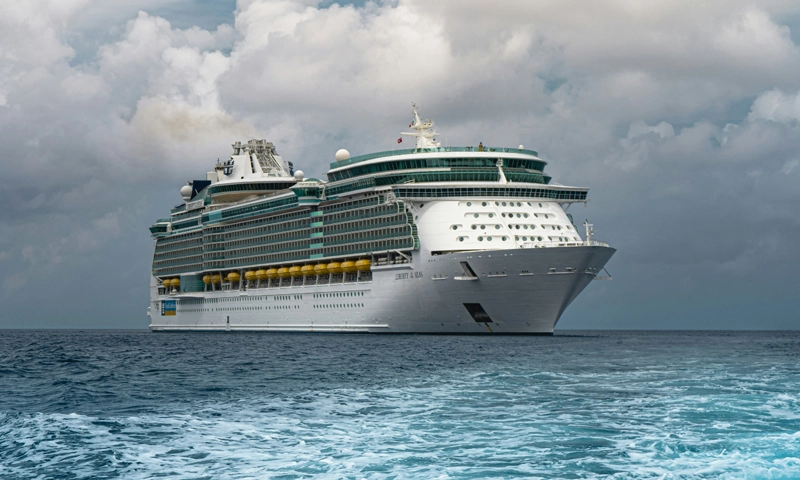


Ever wondered what keeps a ship's systems running smoothly, from cooling engines to moving ballast water? The answer is marine pumps—the unsung heroes of every vessel, including various pump on ship. Whether you're a ship engineer or just curious about maritime tech, this guide breaks down the types of ship pumps, how they work, and why they're crucial for keeping ships afloat. We'll keep it simple and share how ALTRA BLUE SHIPS TRADING L.L.C Supply's ship pump solutions can keep your vessel in top shape. Want to check out our pump spares? Head over to ALTRA BLUE SHIPS TRADING L.L.C Supply's Ship Pumps or contact us for more info!
Marine pumps are specialized devices that move liquids like water, fuel, or oil through a ship’s systems. Built to handle harsh marine conditions, they’re critical for functions like cooling engines, transferring fuel, and managing ballast water, all while meeting International Maritime Organization (IMO) standards [1]. From cargo ships to yachts, these pumps used in ships keep vessels operational and safe.
Insight: A single marine pump failure can delay a ship for hours, costing thousands in downtime, making reliable spares a must.
Here are the main types of marine pumps, each suited for specific tasks:
Pump Type | Description | Applications |
Centrifugal Pump | Uses a rotating impeller to move fluids [2]. | Ballast water, cooling systems |
Gear Pump | Uses meshing gears for precise fluid transfer [3]. | Fuel and lube oil transfer |
Screw Pump | Uses rotating screws for high-viscosity fluids [4]. | Heavy fuel oil, sludge |
Diaphragm Pump | Uses a flexible diaphragm for chemical or dirty fluids [5]. | Bilge water, chemical transfer |
Piston Pump | Uses reciprocating pistons for high-pressure tasks [2]. | Boiler feed, hydraulic systems |
Insight: Among varied types of pump in ship, centrifugal pumps are the most common on cargo ships due to their efficiency in handling large volumes of ballast water. Understanding the different types of pumps onboard ship helps in selecting the right ship pump for optimal performance.
Marine pumps operate based on their design:
· Centrifugal Pumps: An impeller spins, creating a vacuum that pulls fluid in and pushes it out [2].
· Gear Pumps: Interlocking gears trap and move fluid through tight spaces [3].
· Screw Pumps: Screws rotate, pushing viscous fluids like oil forward [4].
· Diaphragm Pumps: A diaphragm flexes to draw and expel fluid, ideal for dirty liquids [5].
· Piston Pumps: Pistons move back and forth, creating pressure to move fluids [2].
Insight: Regular impeller inspections in centrifugal pumps can prevent 60% of performance issues, ensuring efficient fluid flow.
Marine pumps are critical for:
· Operational Efficiency: Move fluids to keep engines and systems running [2].
· Safety: Bilge pumps prevent flooding, ensuring crew safety [6].
· Compliance: IMO and SOLAS require reliable pumps for environmental protection [1].
· Cost Savings: Efficient pumps reduce fuel use by 2–5% in cooling systems [3].
Insight: A well-maintained bilge pump can prevent flooding incidents, saving up to $100,000 in potential damage costs.
Keep your ship pumps in top shape with these tips:
· Inspect Regularly: Check impellers and seals every 500 hours for wear [3].
· Clean Filters: Remove debris from strainers monthly to prevent clogs [4].
· Monitor Performance: Watch for vibration or pressure drops, indicating issues [5].
· Use OEM Spares: Source quality parts from ALTRA BLUE SHIPS TRADING L.L.C Supply’s Ship Pumps for reliability.
· Schedule Overhauls: Major maintenance every 10,000 hours for critical types of pumps used in ship [2].
Insight: Proactive maintenance with OEM spares can extend pump lifespan by 5–7 years, cutting replacement costs by 40%.
What are the types of marine pumps used on ships?
Centrifugal, gear, screw, diaphragm, and piston pumps, each designed for tasks like ballast or fuel transfer [2].
What is the function of a marine pump on a ship?
They move fluids like water, fuel, or oil to support engine cooling, ballast management, and safety systems [3].
How often should marine pumps be maintained?
Inspect every 500 hours, clean filters monthly, and overhaul every 10,000 hours [4].
Where can I find spare parts for marine pumps?
ALTRA BLUE SHIPS TRADING L.L.C Supply offers OEM spares at Ship Pumps. Contact us for a quote.
What’s the difference between centrifugal and gear pumps on ships?
Centrifugal pumps handle high volumes, while gear pumps are precise for oil transfer [2].
How do I choose the right marine pump for my vessel?
Consider fluid type, volume, and application. Contact ALTRA BLUE SHIPS TRADING L.L.C Supply for tailored advice.
1. Wikipedia, “Marine Engineering”
2. U.S. Department of Energy, “Marine Machinery Systems”
3. Marine Insight, “Marine Pumps and Their Applications”
4. International Maritime Organization, “MARPOL Regulations”
5. Wärtsilä, “Marine Pump Technologies”
6. U.S. Coast Guard, “Maritime Safety Standards”
Need reliable marine pump spares? Explore ALTRA BLUE SHIPS TRADING L.L.C Supply’s OEM parts at Ship Pumps or contact us for a free quote today!
This is the first one.