English
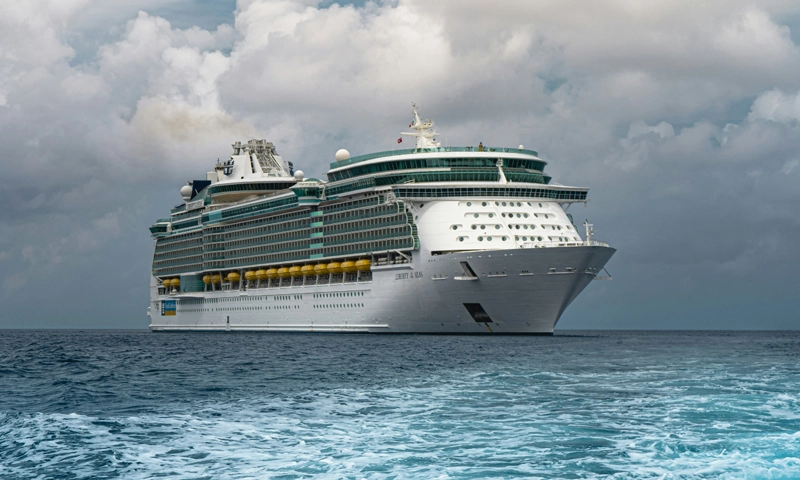


Ever wondered how ships power their engines or run tools in the middle of the ocean? Marine air compressors are the workhorses behind these tasks, delivering compressed air for everything from starting massive engines to operating deck equipment. If you’re a ship operator or engineer looking to pick the perfect compressor, this guide breaks down the types, benefits, and applications in plain English. We’ll also share tips on optimizing performance and saving energy, with a nod to how ALTRA BLUE SHIPS TRADING L.L.C Supply’s solutions can keep your vessel running smoothly. Curious? Check out our offerings at ALTRA BLUE SHIPS TRADING L.L.C Supply’s Ship Air Compressor Parts or contact us for expert advice!
Marine air compressors generate compressed air for critical ship functions, like starting main engines, powering pneumatic tools, and controlling ballast systems. Built to withstand harsh marine environments, they meet strict standards set by the International Maritime Organization (IMO) and SOLAS regulations [1]. From small yachts to massive tankers, these machines are vital for safety and efficiency at sea.
Insight: A reliable marine air compressor can cut engine startup times by 20%, boosting operational efficiency on tight schedules.
Here are the main types of marine air compressors, tailored to different needs:
Type | Description | Best For |
Reciprocating | Uses pistons for high-pressure air output [2]. | Engine startups, cargo ships |
Rotary Screw | Delivers continuous air with high durability [3]. | Deck tools, cruise liners |
Centrifugal | High-volume air for large-scale systems [4]. | Tankers, offshore platforms |
Oil-Free | Clean air for sensitive applications [5]. | Instrumentation, food processing |
Insight: Reciprocating compressors are popular for cargo ships due to their ability to deliver high-pressure air for engine startups, while rotary screw models suit continuous-use applications like deck maintenance.
Marine air compressors offer key advantages:
· Reliability: Designed for harsh conditions, ensuring consistent performance [2].
· Versatility: Powers diverse systems, from engines to navigation controls [3].
· Safety: Meets SOLAS requirements for emergency air supply [6].
· Efficiency: Modern models reduce energy use by up to 15% compared to older units [4].
Insight: Upgrading to a high-efficiency compressor in ship can save 10–15% on fuel costs annually, especially for vessels with frequent engine startups.
Marine air compressors serve various vessel types, addressing specific needs:
Vessel Type | Application | Compressor Type |
Cargo Ships | Engine startups, ballast control [2]. | Reciprocating, Centrifugal |
Cruise Liners | Pneumatic tools, HVAC systems [3]. | Rotary Screw, Oil-Free |
Yachts | Navigation controls, small tools [4]. | Oil-Free, Reciprocating |
Offshore Platforms | High-volume air for drilling equipment [5]. | Centrifugal |
Case Study: A cargo ship operator switched to a rotary screw compressor for deck maintenance, reducing tool downtime by 30% and saving $5,000 annually in maintenance costs.
Insight: Matching compressor type to vessel needs, like using oil-free models for yachts, ensures optimal performance and compliance with environmental standards.
Maximize your compressor’s performance with these tips:
· Regular Maintenance: Inspect valves and filters every 500–1,000 hours to prevent wear [3].
· Monitor Alarms: Address issues like low pressure or overheating promptly to avoid breakdowns [5].
· Use OEM Parts: Source quality spares from ALTRA BLUE SHIPS TRADING L.L.C Supply’s Ship Air Compressor Parts for reliability.
· Optimize Installation: Ensure proper ventilation and alignment to reduce vibration [4].
· Train Crew: Educate staff on basic maintenance to catch issues early [6].
Insight: Regular maintenance with OEM parts can extend compressor lifespan by 5–7 years, reducing replacement costs by up to 50%.
Marine air compressors are getting greener:
· Variable Speed Drives (VSD): Adjust air output to demand, saving 20–30% on energy [2].
· Eco-Friendly Lubricants: Biodegradable oils reduce environmental impact [4].
· Smart Monitoring: Sensors track performance, optimizing energy use and predicting maintenance needs [5].
· IMO Compliance: New models align with IMO’s 2030 emissions reduction goals [1].
Insight: Adopting VSD-equipped compressors can cut energy costs by $2,000–$5,000 annually for mid-sized vessels, while meeting stricter environmental regulations.
What are the different types of marine air compressors?
Reciprocating, rotary screw, centrifugal, and oil-free, each suited for specific ship functions like engine startups or tool operation [2].
How do I choose the best marine air compressor for my vessel?
Consider vessel type, air demand, and application. Contact ALTRA BLUE SHIPS TRADING L.L.C Supply at Ship Air Compressor Parts for tailored recommendations.
What are the benefits of marine air compressors for cruise liners?
They power HVAC systems and tools, ensuring passenger comfort and efficient maintenance [3].
How often should a marine air compressor be maintained?
Inspect filters monthly and perform major overhauls every 10,000 hours to ensure reliability [4].
What is the energy efficiency of modern marine air compressors?
Models with variable speed drives achieve 20–30% energy savings compared to traditional units [2].
How do marine air compressors comply with SOLAS regulations?
They provide reliable air for engine startups and emergency systems, using certified parts [6].
1. Wikipedia, “Air Compressor”
2. U.S. Department of Energy, “Marine Machinery Systems”
3. Marine Insight, “Marine Air Compressors”
4. International Maritime Organization, “SOLAS Regulations”
5. Wärtsilä, “Marine Compressor Technologies”
6. U.S. Coast Guard, “Maritime Safety Standards”
Ready to power your vessel with the right marine air compressor? ALTRA BLUE SHIPS TRADING L.L.C Supply offers top-quality solutions and spares. Visit Ship Air Compressor Parts or contact us for a free quote today!
This is the first one.